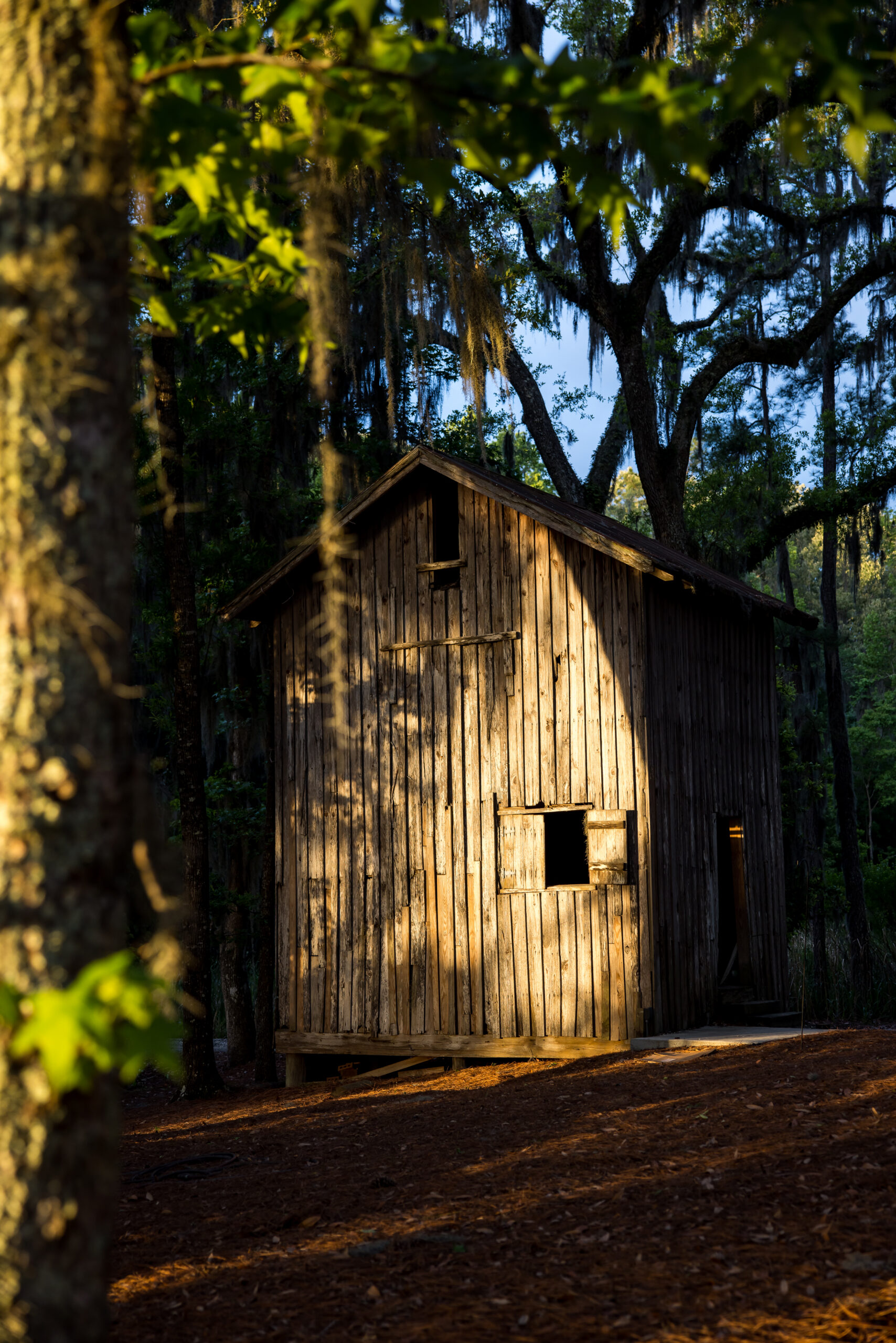
Henry Ford’s motives in establishing a stronghold in the South were rooted not only in finding a beautiful place to live but also taking advantage of the ideal climate, biodiversity and its potential as an agricultural anchor to support his many business ventures. What started as a drive to grow goldenrod for rubber production eventually gave way to turning the land once used for the area’s thriving rice fields into space for growing iceberg lettuce. It was shared that “Ford firmly believed that a back-to-the-farm movement would precede a new era of prosperity in the United States” and The Savannah Morning News once published an article stating “[Ford] believes any lasting general prosperity is closely allied with the prosperity of the soil…”
Ford’s passion for utilizing the gifts of the land extended not only to his cash crops, but to things that created an oasis out of the vast marshland upon which he’d settled. This ideal was represented by flowering gardens and manicured greenspaces boasting camellias, azaleas, dogwoods, and magnolias, turning a 55-acre section of the vast property into a colorful, sweetly scented slice of home. Despite large swaths of the untamed land serving as the home to wild hogs, deer and turkeys, hunting was forbidden on property, and Ford kept birdhouses in strategic locations, continually promoting the idea of living harmoniously with the wildlife (even if they did infiltrate his gardens).
Commitment on the Course
In 2020, The Ford’s Golf Course was designated as a Certified Audubon Cooperative Sanctuary and is one of fewer than 1,000 courses in the world to hold this certification from Audubon International. To achieve this honor, five environmental quality areas are evaluated on several different criteria –
- Actively creating and protecting local wildlife and natural habitats on the property.
- Water Conservation
- Water Quality Management
- Chemical Use Reduction and Best Practices for Safety
- Outreach and education, both within the club and with partnering organizations
A key part of the certification is also geared toward preserving the natural heritage of the game of golf, which blends in seamlessly at the club, as the course design is shaped by coastline, meadows and freshwater lakes, taking distinct forms in the parkland-style front nine and a links-style back nine. Through these mindful practices related to the caretaking of the course greens, fostering habitats for local wildlife and native plants, and ongoing environmental testing, the award-winning Pete Dye course remains notable not only for incredible playing conditions, but its larger impact on The Ford’s ecosystem as a whole.
On a Mission for Good
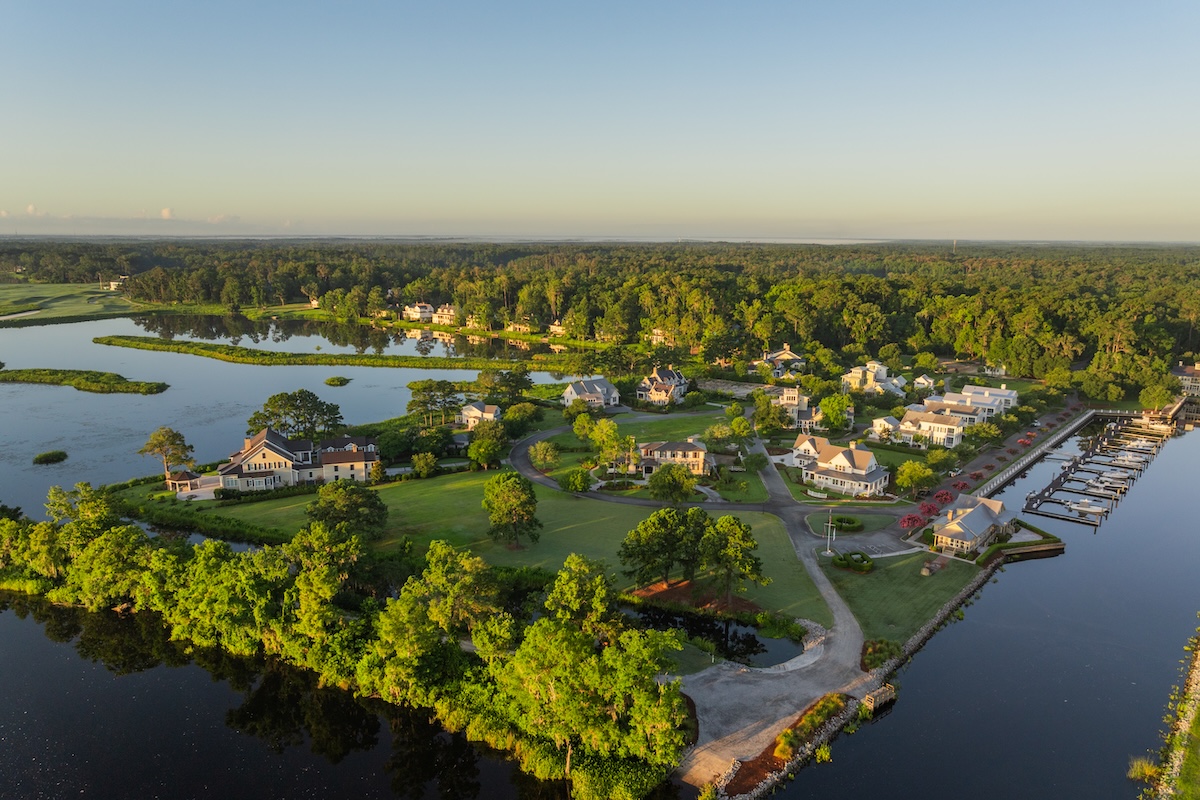
While Ford’s ice house no longer aids in the transportation of leafy greens and his land isn’t being used for experimental crops, The Ford Field & River Club continues his legacy of embracing the flora and fauna that also call The Ford home. Through a partnership with Audubon International, hallmark amenities on property – including the Pete Dye-designed golf course, deep water marina, and naturalist program – are working toward maintaining Cooperative Sanctuary Program certification that reflect the club’s deeper commitment to using best practices for stewardship of our natural resources, our wildlife, and the environment.
For the Land and Sea
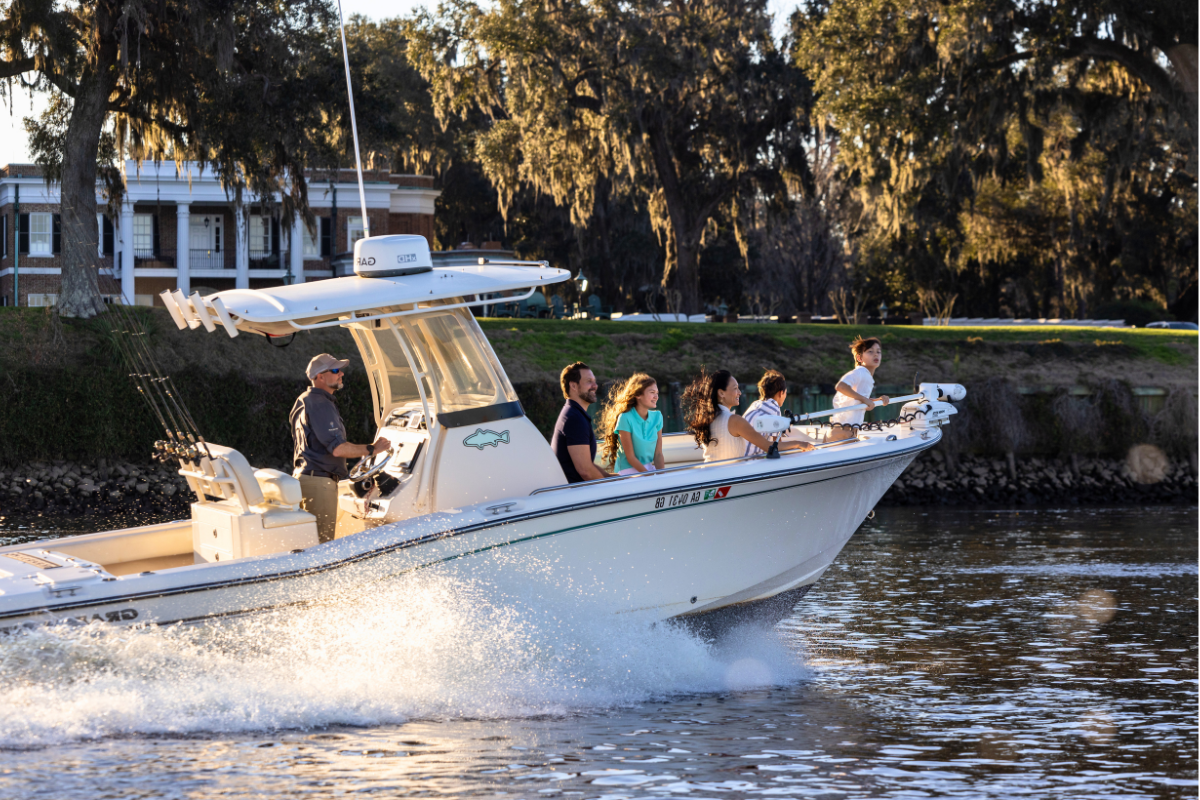
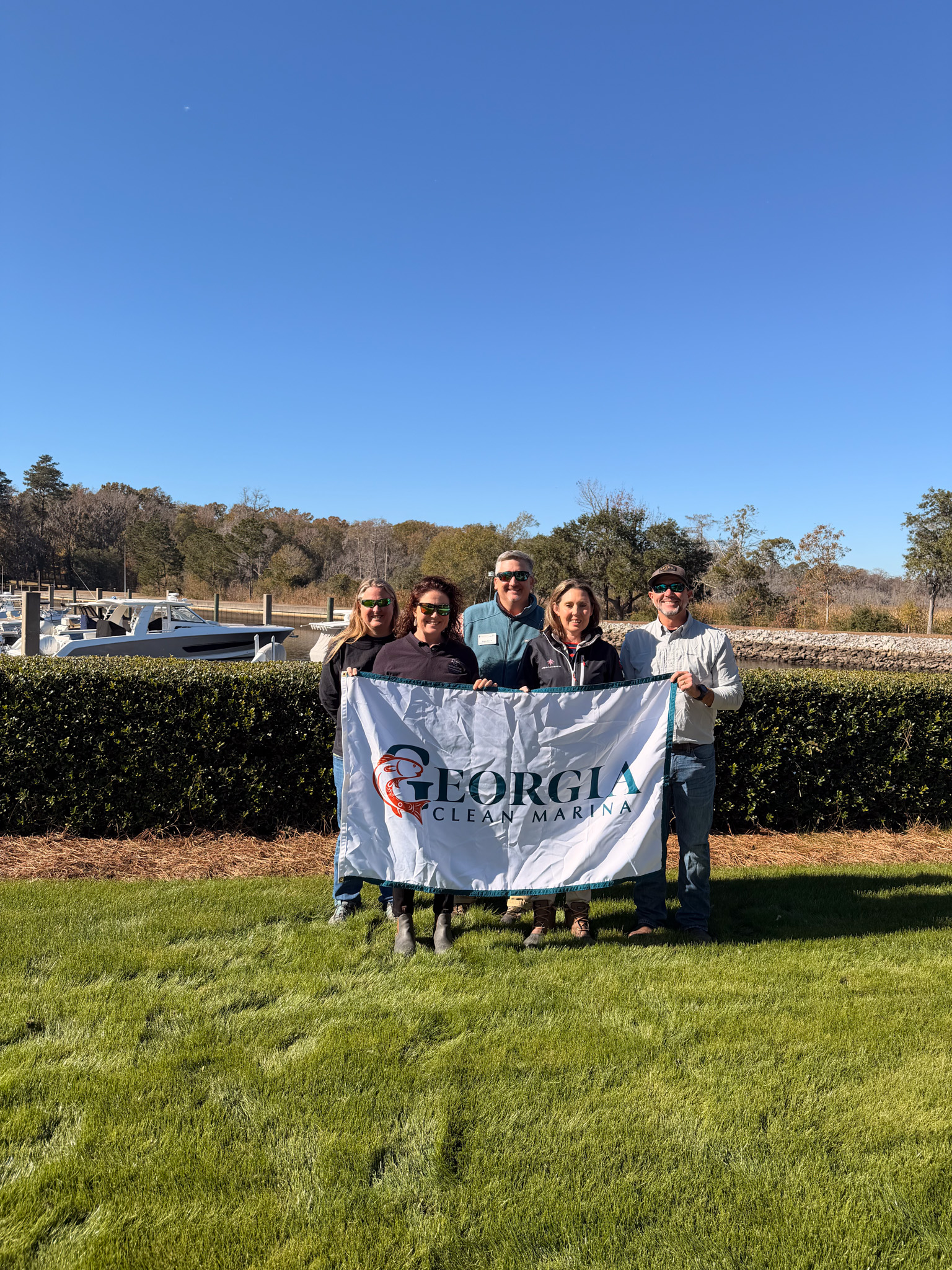
The mission to improve and maintain The Ford’s natural resources goes beyond the work on land. In 2025, the club’s marina earned the Georgia Clean Marina certification, praising the Outdoor Pursuits Team’s efforts in environmental stewardship. Combining responsible business practices related to fueling operations, boat washing policies, and stormwater runoff management with top-notch member service showcases the team’s strengths as responsible keepers of the coast.
The Mission for More
What started with a focus on the sustainability for the golf course has since stoked the desire to do good across multiple facets and facilities of the property. Today, we are working on a larger scale strategy to earn Audubon Sustainable Communities Program certification, combining not only the efforts of the Ford Grounds + Maintenance team, but also the Naturalist, Outdoor Pursuits, Food & Beverage teams and, of course, our Members.
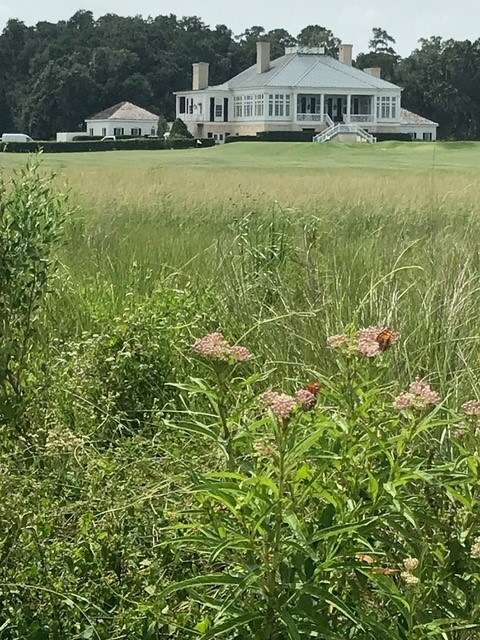
With programming in place for community education around our resident alligators, the establishment of bird boxes and pollinator gardens, native plant sales and cleanup efforts, we’re embracing the natural assets and working to encourage a healthy ecosystem within the gates. Materials in our dining venues are being swapped for paper and compostable items and homeowners are encouraged to make eco-friendly swaps within their homes. As we seek the next official Audubon certification, these interconnected steps show The Ford is on its way to setting an example not only for the local community, but for other private clubs around the country.